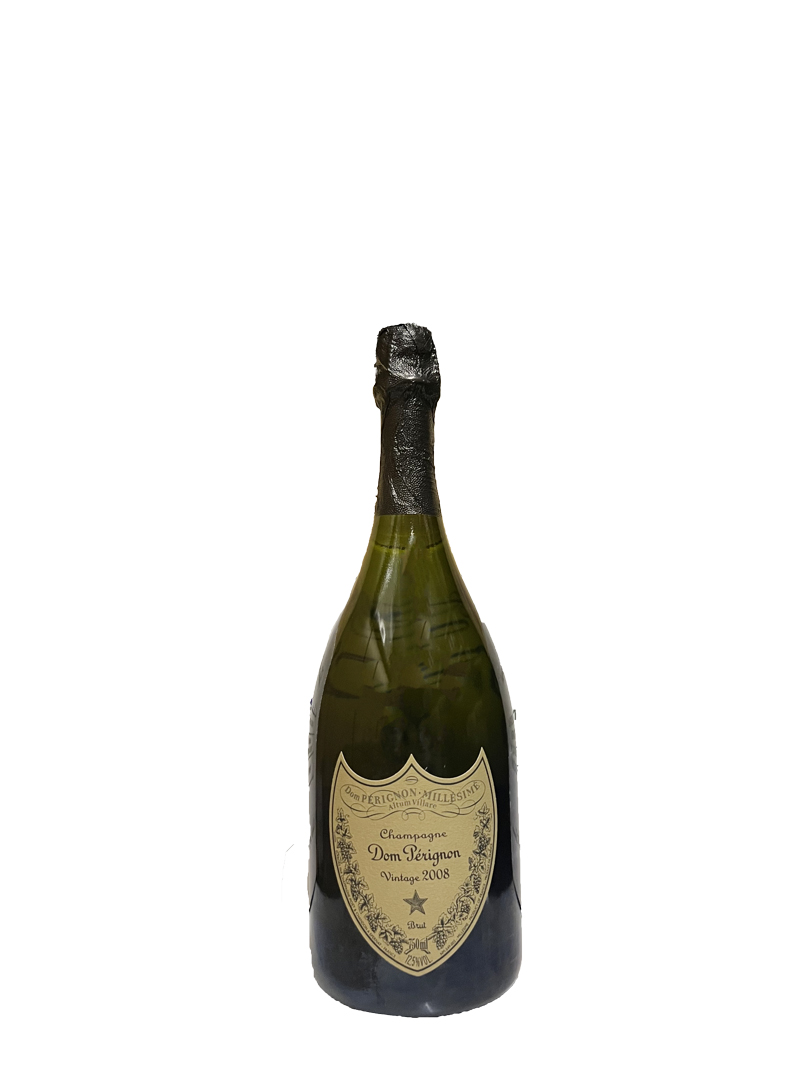
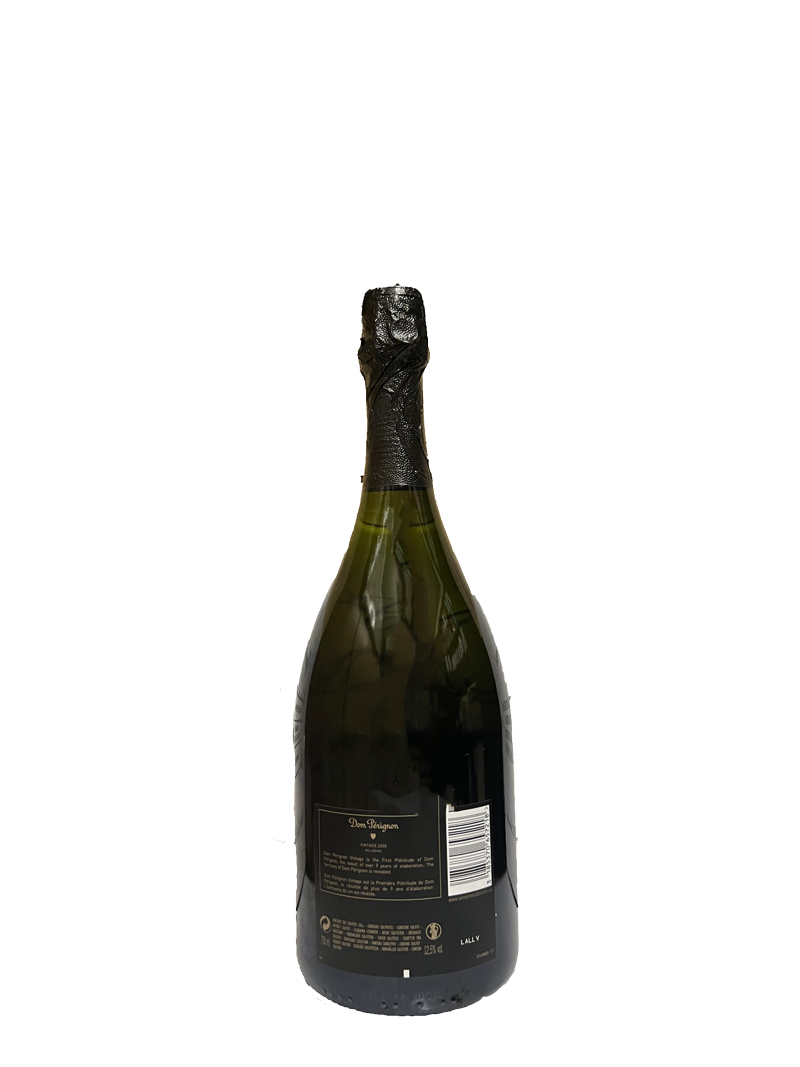
Champagne Brut, Dom Pérignon 2013 ( ohne Box )
Dom Pérignon: The Monk Who Made the World Drink Stars
There are Champagne brands. And then there is Dom Pérignon — not merely a brand, but an idea, a promise, almost a religion of pleasure. A story that began over 350 years ago and has never felt more relevant.
The year is 1668. A young Benedictine monk named Pierre Pérignon is appointed cellar master at the Abbey of Hautvillers, perched above the Marne valley in the heart of Champagne. He is 28 years old and almost blind — but he smells and tastes like no one else.
Over the next four decades, this man would change winemaking forever.
The Monk and the Stars
Dom Pérignon developed methods that still form the foundation of Champagne today: the precise assemblage of different grape varieties and terroirs into a harmonious whole, the use of thicker English glass bottles, the cork stopper in place of the then-common wax plug. He understood that Champagne was not a happy accident but a precise, planned act of creation.
When he first saw the bubbles in his glass — the result of an unexpected second fermentation — he is said to have called to his fellow monks: “Come quickly, I am drinking stars!” Whether the story is literally true or not is irrelevant. It is too true not to be true.
The Concept: Only in Exceptional Years
Dom Pérignon is not produced every year. That is the first, decisive difference from almost every other Champagne house. If the year is not sufficient — no Dom Pérignon. There was no Dom Pérignon produced in 2014 or 2016. This is not modesty. It is obsession.
Every Dom Pérignon ages for a minimum of eight years in the cellars before release. Not because the law demands it — the legal minimum would be 15 months. But because Vincent Chaperon, the current Chef de Cave, does not compromise.
The Three Plénitudes: Wine as a Living Being
Dom Pérignon believes that every vintage experiences three peaks — three “Plénitudes”: the first flowering in youth, a second unfolding after one to two decades, and a third depth after 30 years and more. It is a philosophy that treats wine as a living entity — one that breathes, evolves, matures, and never ceases to surprise.
Hautvillers: The Sacred Mountain of Champagne
The grapes for Dom Pérignon come exclusively from the 17 Grands Crus of Champagne and the Premier Cru of Hautvillers — the very vineyard Dom Pérignon himself cultivated. No purchases from outside this elite. No compromise on origin. The assemblage philosophy is radical: Chaperon describes it as the search for “harmony between the nature of the year and the signature of Dom Pérignon.”
2013: The Legacy of Two Chefs de Cave
The 2013 marks a historic moment: it is one of the last vintages still co-shaped by Richard Geoffroy, the legendary Chef de Cave from 1990 to 2018 — and the first that his successor Vincent Chaperon brought to commercial maturity. Chaperon describes the quality of the 2013 as “elegance — very simple, caressing and silky.” Two visions, one wine. A vintage that writes history.
Reviews
There are no reviews yet