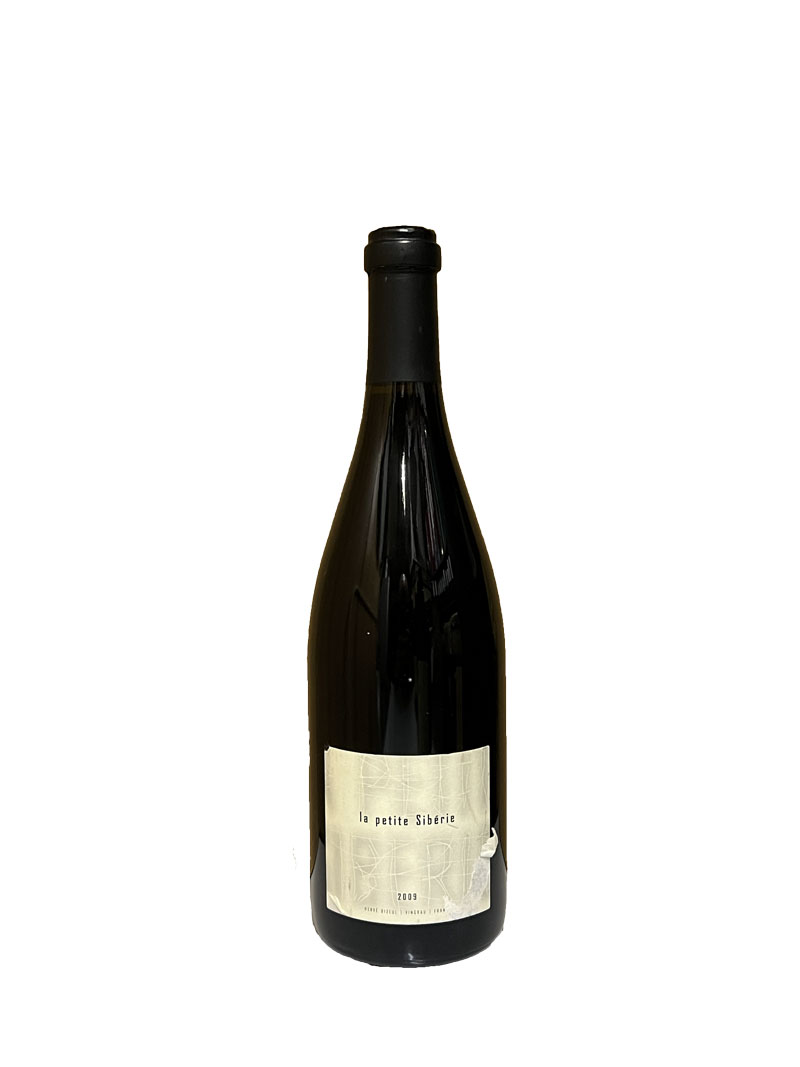
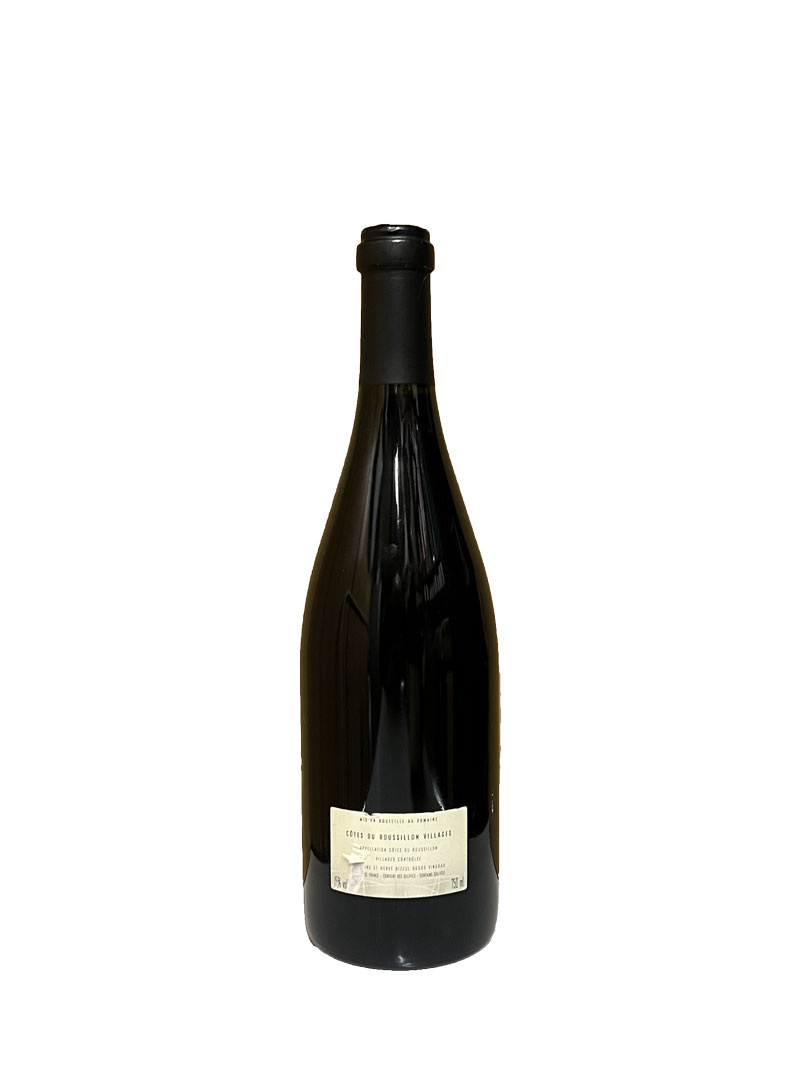
La Petite Sibérie 2017, Domaine du Clos des Fées
Domaine du Clos des Fées: The Sommelier Who Reinvented the Roussillon
In the wine world, there are winemakers who begin with everything. Capital, land, a well-known name, generational heritage. And then there is Hervé Bizeul — a man who started in 1998 in a garage in Vingrau. With nothing but knowledge, passion and the conviction that the Roussillon could do great things.
From Sommelier to Winemaker: A Story That Begins With an Obsession
Hervé Bizeul was not a winemaker. He was a sommelier — one of the finest in France — and a gastronomic critic who for years looked at the world of wine through a glass rather than through a vineyard. He knew wine. He understood wine. He loved wine in the way one only loves what one connects to one’s soul.
In the late 1990s, he moved with his wife Claudine to the Roussillon — a region the wine world then regarded as a bulk production territory. Cheap Grenache, poor soils, extreme heat. No prestigious appellations. No fame. No story the world knew.
That was exactly Bizeul’s plan.
1998: A Garage Winery in Vingrau
The Domaine du Clos des Fées was born literally in the garage of his house in Vingrau — a small village nestled in one of the most rocky and windswept corners of the Roussillon. The first wines came in 1998. The reaction was immediate: critics were astonished. Collectors placed orders. The Roussillon suddenly found itself in the spotlight in a way it had never expected.
Why? Because Bizeul saw what others overlooked. The old vines of this region — Grenache, Carignan, Mourvèdre, planted before mechanisation took hold — grew on soils of incredible complexity: slate, mica-schist, limestone, volcanic rock. Yields were minimal. Concentration was maximal. This was not bulk production. It was the raw material of a great wine that nobody was harvesting.
Bizeul harvested it.
The Parcel Nobody Wanted
La Petite Sibérie is not simply a name. It is a description. The parcel — two hectares on a steep, north-facing slope near Vingrau — sits at an altitude where the Tramontane, the icy north-westerly wind of the Roussillon, blows for 200 days a year. Winters can be harsh. Spring frosts are not uncommon. The previous owner had abandoned the parcel — too demanding, too low-yielding, too uneconomical.
Bizeul saw the Grenache vines growing there — some over 100 years old — on deep argilo-calcaire with layers of red and black iron-rich mica-schist. He bought. And he understood immediately: this parcel does not give an opulent southern wine. It gives something rare — a Roussillon with alpine freshness, with the minerality of slate, with the concentration of century-old vines. A wine that understands coldness as a quality.
The Philosophy: Ambition Without Compromise
The Domaine du Clos des Fées has today grown to around 30 hectares. Seven different terroirs in the Côtes du Roussillon. Wines from Les Sorcières — the accessible entry-level wine — through to La Petite Sibérie and the emblematic Clos des Fées Vieilles Vignes. Bizeul, considered one of the pioneers of “viticulture réelle” and who has kept a blog about his work since the 1990s — open, humorous, sometimes provocative — has put the Roussillon on the international wine map.
But La Petite Sibérie remains his heart. A maximum of 2,000 bottles per year. In some years fewer. In some years none. The Tramontane decides. The vines decide. Bizeul then decides what enters the bottle — and what does not.
That is La Petite Sibérie. Small in quantity. Immense in the glass.
Reviews
There are no reviews yet.