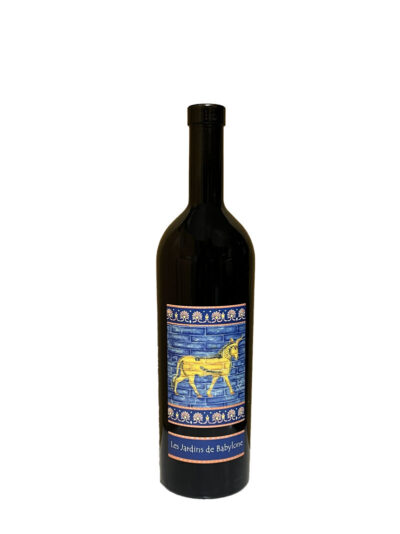
 Jurançon Les Jardins de Babylone 2020, Dagueneau


 Deutsch
 Français
Le Roux Vins News
How to Serve Wine Properly: A Guide to Aeration, Temperature, and Opening Times
How to Serve Wine Properly: A Guide to Aeration, Temperature, and Opening Times.
As we reach the end of the year, corks are being pulled in homes and restaurants everywhere. It is the season for celebration, and often the time when we open our most treasured bottles. However, there is a recurring tragedy in the wine world that we see far too often. I have been served crazy expensive, young bottles straight away after removing the cork, resulting in a tight, muted experience that wastes the potential of the wine. Conversely, I have watched a fragile 50-year-old Bordeaux be aggressively decanted, only to die in the carafe within minutes, or a beautiful, complex Bourgogne served at 19 degrees, tasting like warm soup.
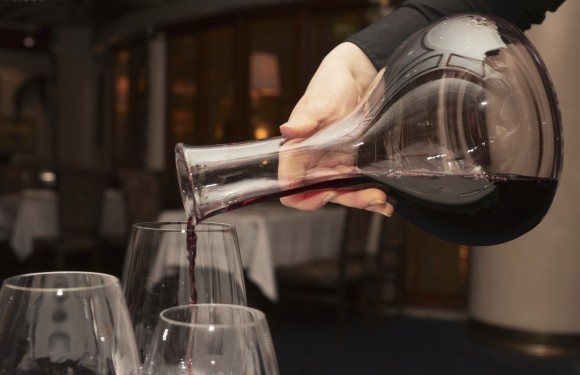
Everyone has a preference for wine degustation, but let’s be honest: with a little education, you can turn a simple dinner into a masterclass. Wine is a living product. It changes, reacts, and evolves. The way you open a bottle, the way you serve it, and the way you manage the aeration allows you to get the absolute most out of it.
The Most Known Methods of Wine Aeration
Oxygen is both the friend and the enemy of wine. Controlled exposure to air (aeration) releases aromatics and softens tannins. Here are the methods you should know:
-
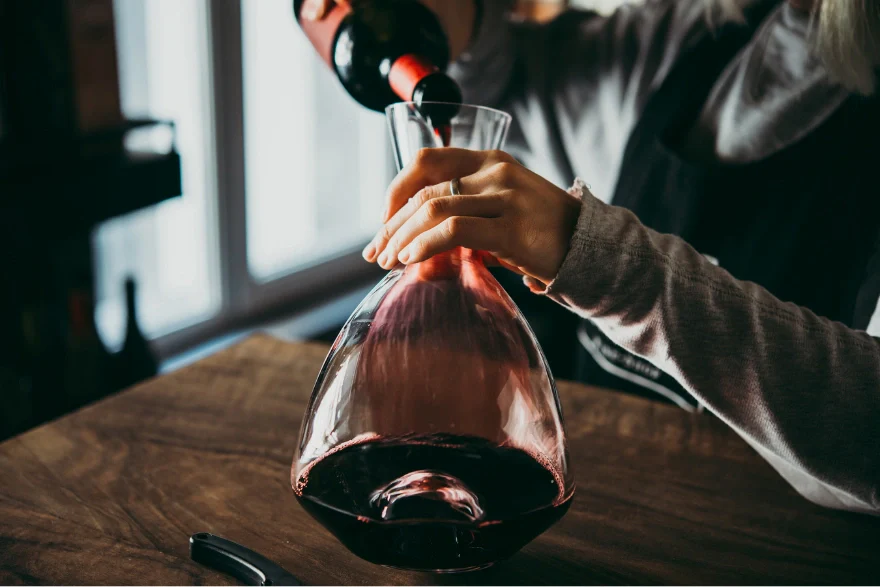
Traditional Decanting: This involves pouring the wine from the bottle into a carafe. It is effective for young, robust wines that need a “shock” of oxygen to open up.
-
The “Slow-O” (Audouze Method): A method for older, fragile wines where the bottle is opened several hours ahead of time, but the wine stays in the bottle. It is a slow, gentle wake-up call rather than a shock.
-
In-Glass Aeration: Simply pouring the wine and swirling it vigorously in a large glass. This is the safest way to test a wine’s readiness.
Serving Temperatures
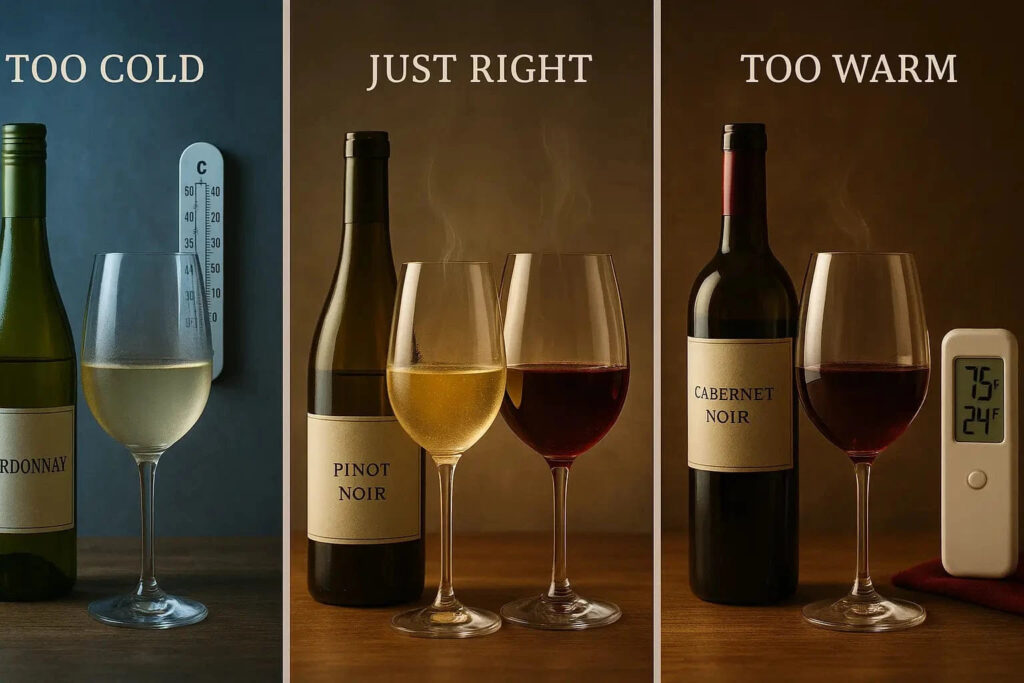
Temperature is the framework of flavor. If a wine is too cold, the aromas are masked; if it is too warm, the alcohol dominates the palate.
-
Sparkling Wines and Champagne: 6°C – 10°C
-
Fresh White Wines and Rosés: 8°C – 10°C
-
Complex Dry White Wines: 11°C – 13°C
-
Light, Fruit-Forward Red Wines: 12°C – 14°C
-
Full-Bodied, Tannic Red Wines: 16°C – 18°C
The Art of Opening: “Épauler” and Patience
There is a misconception that simply pulling the cork allows a wine to breathe. This is false. The neck of a bottle is very narrow, meaning the surface area of the wine touching the air is the size of a coin. Nothing happens.
To properly prepare a wine without using a decanter, we use a technique called “Épauler” (Shouldering). This means opening the bottle and immediately serving one small glass. By lowering the liquid level to the “shoulders” (the wider part of the bottle), you vastly increase the surface area in contact with oxygen inside the bottle. This allows the wine to develop naturally over several hours.
While most wines benefit from at least 1 to 2 hours of opening before serving, some specific wines require a strategy that can seem extreme to the uninitiated.
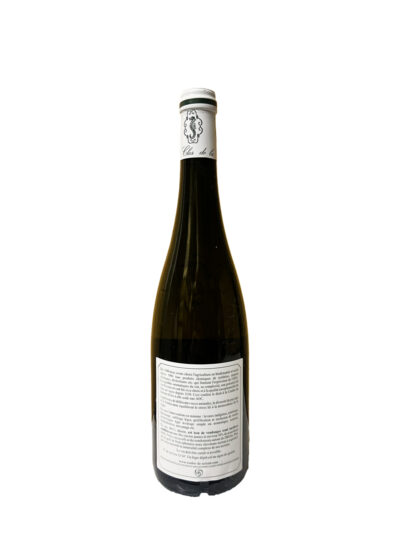
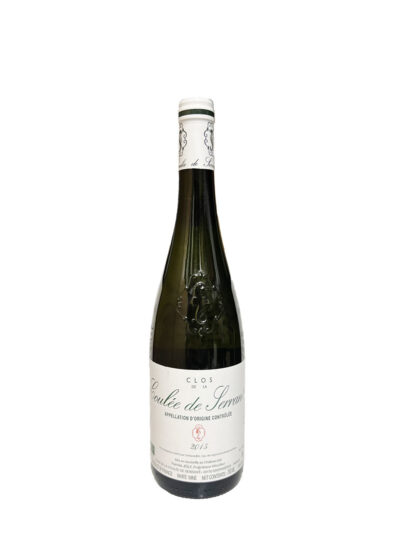
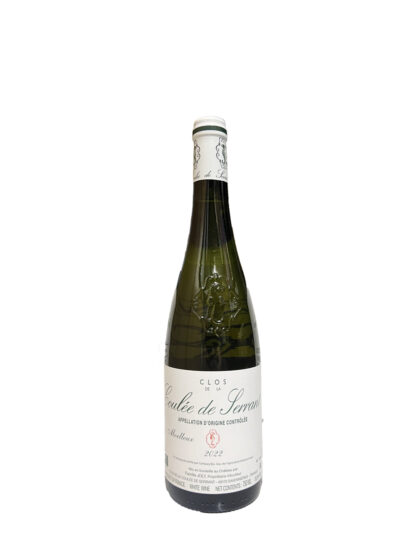
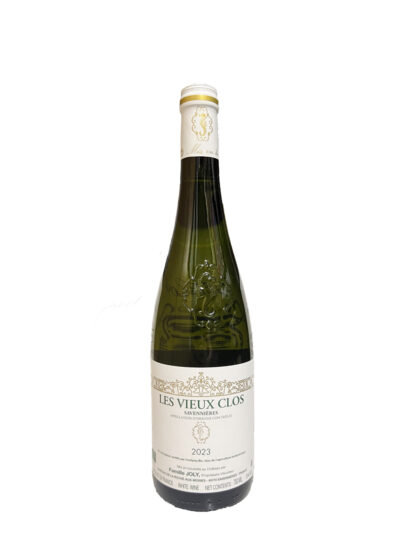
The Case of Nicolas Joly A perfect example is the Chenin Blanc from Nicolas Joly. These are not standard white wines; they are monuments. For the Clos de la Coulée de Serrant 2015, the aeration requirements are legendary. The best bottle of this I ever tested was at the château itself. The bottle of the 2023 vintage had been opened for 7 days. It sounds impossible, but that week of air did not oxidize the wine; it allowed it to stretch and reveal complexities that were completely hidden on day one.


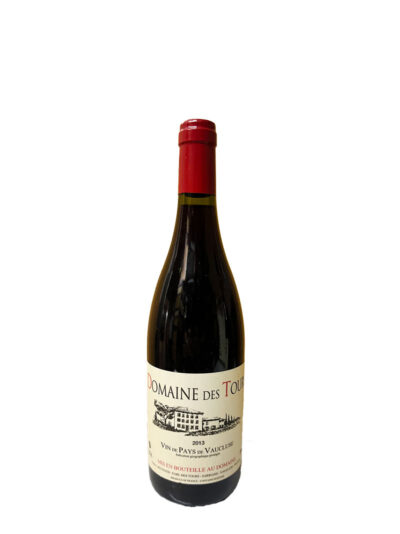
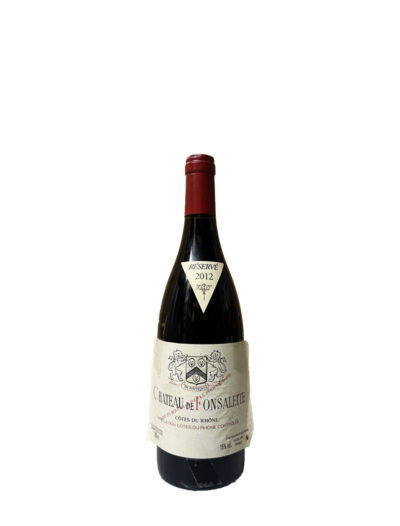
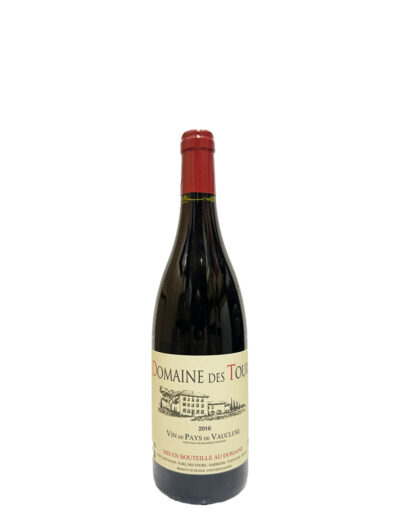
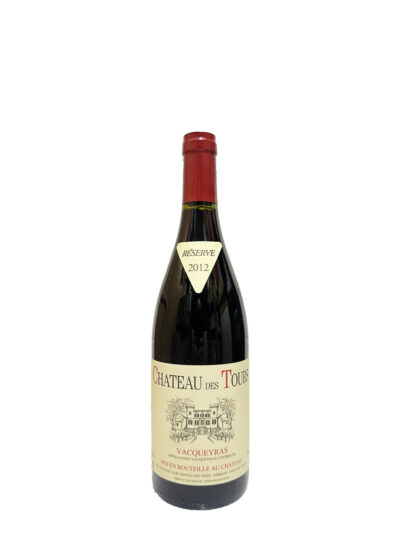
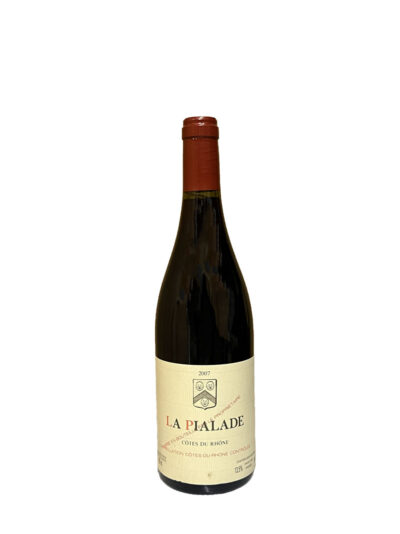
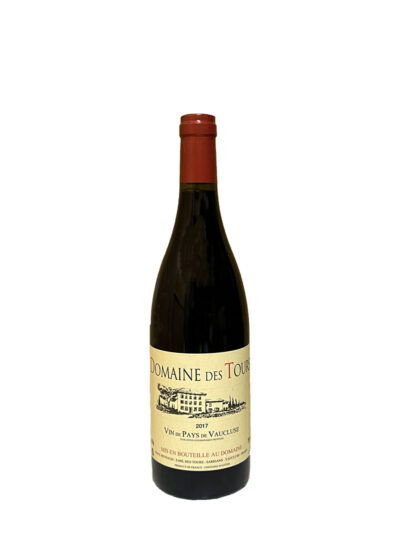
The Wines of Emmanuel Reynaud The wines from the regretted Emmanuel Reynaud (such as Château Rayas or Château des Tours) are another category entirely. Whether it is a simple VDP or a Châteauneuf-du-Pape, these wines must be dompted (tamed). If you visit our selection of Emmanuel Reynaud wines, you must understand that opening them 1 or 2 days before drinking is often necessary. Without this patience, you will likely drink something that feels too strong, too bitter, or overwhelmingly focused on tertiary aromas. This timing can variate significantly with the millésimes (vintages), but patience is the key to unlocking their legendary silkiness.
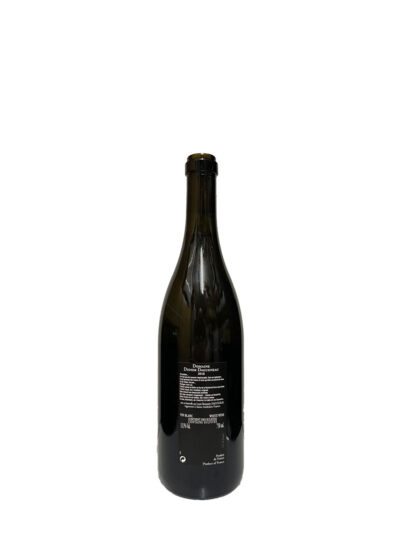
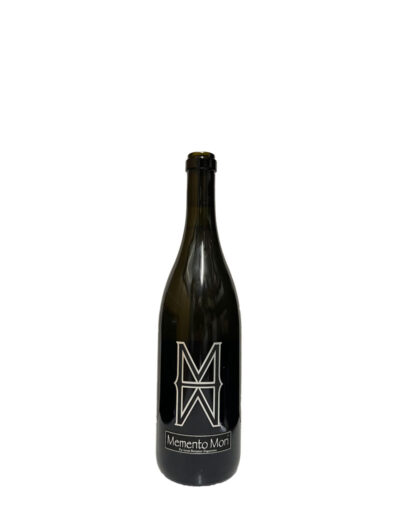
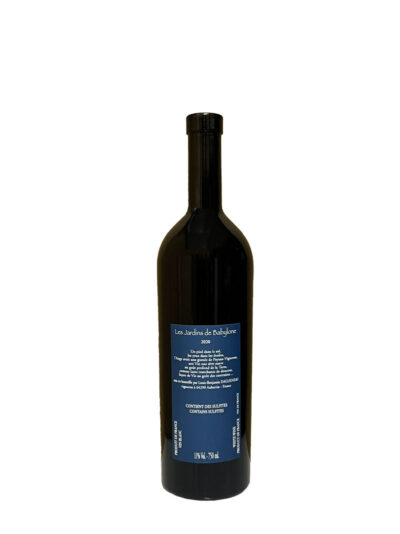
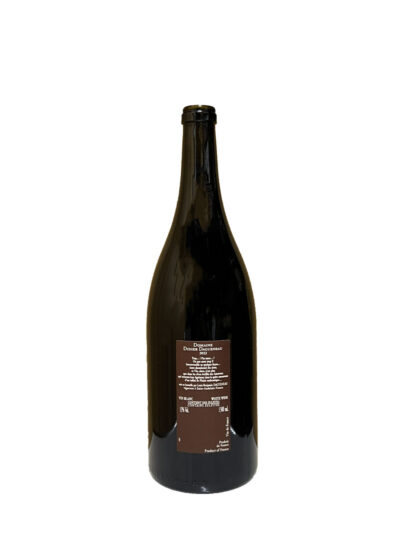
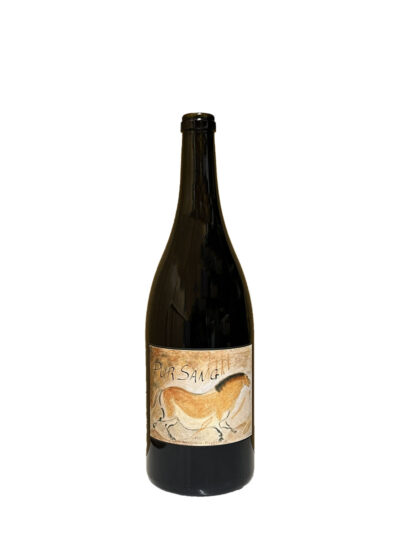
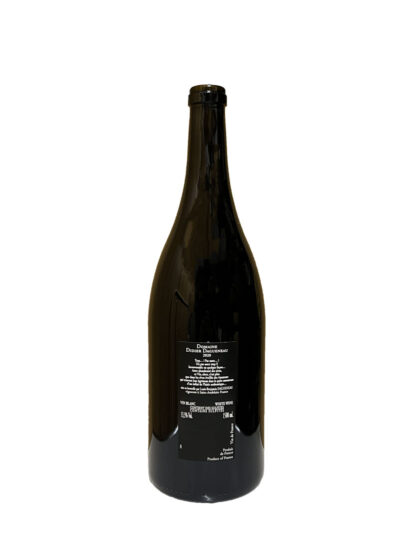
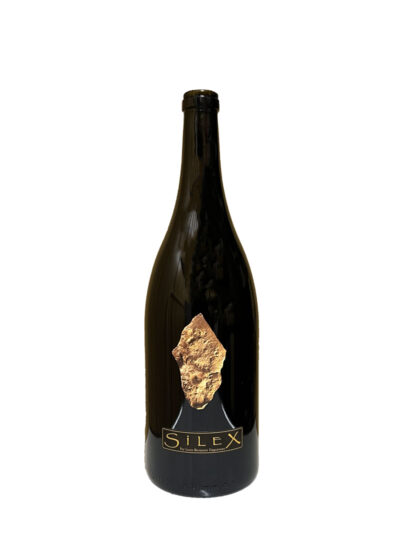
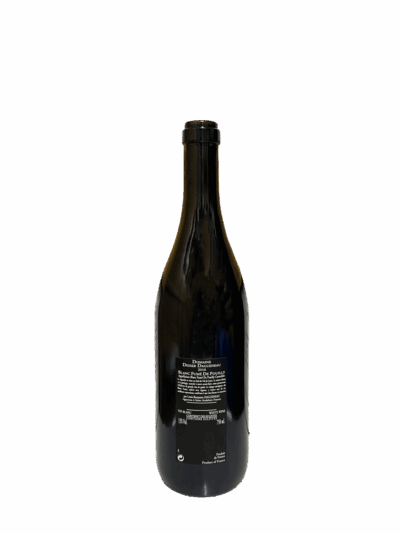
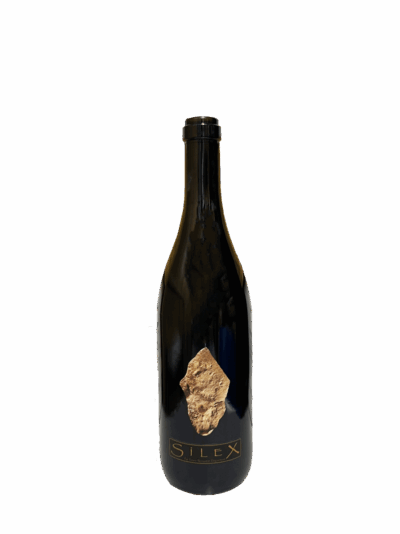
The White Wines of Didier Dagueneau Finally, we must talk about decanting white wine. Yes, we are talking about white wine that needs to be decanted. The Sauvignon Blancs from Didier Dagueneau are built with immense structure and density. You will easily find white wine decanters that sit in an ice bucket perfectly to maintain the temperature while the wine breathes. Dagueneau wines are something that need time, and every vintage is different. You must approach them like a chemist: open, taste, decant, and test the evolution until you find the perfect timing.
Our Commitment to Your Tasting
The best way of dompting all those wines is to be introduced by someone who has been doing this experimentation for a long time. It saves you the heartbreak of opening a great bottle at the wrong time or in the wrong way.
At Le Roux Vins, we believe the service is as important as the sale. That is why we print our specific recommendations on wine opening and serving with every single order. We guide you on exactly how to treat the specific bottles you have purchased to make your testing the best possible experience.
Important Winter Break Notice Please note that our orders will resume on the 4th of January after our winter break. We wish you a happy new year and wonderful tastings!
How to Serve Wine Properly: A Guide to Aeration, Temperature, and Opening Times by Loup Le Roux
