-
×
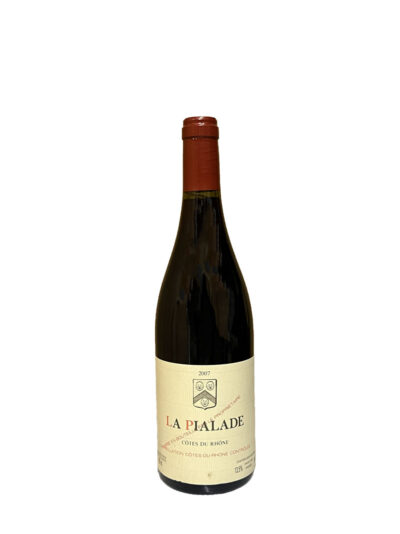 La Pialade Côtes du Rhône 2007, Château Rayas
CHF 189.00
La Pialade Côtes du Rhône 2007, Château Rayas
CHF 189.00



 Deutsch
 Français
Le Roux Vins News
Welcome to 2026 at Le Roux Vins
Welcome to 2026 at Le Roux Vins
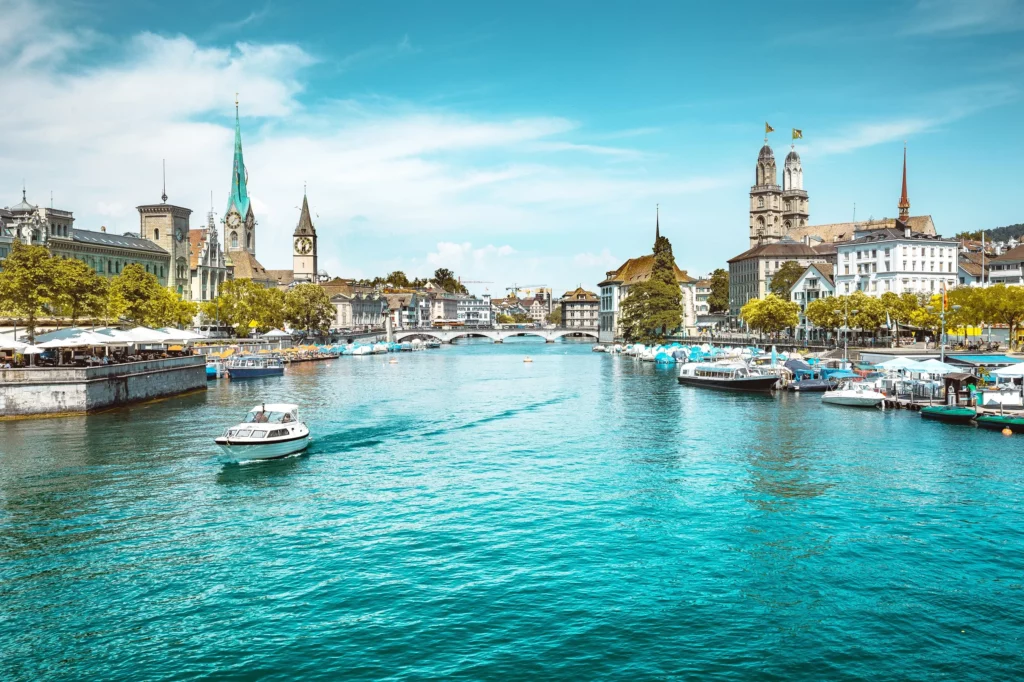
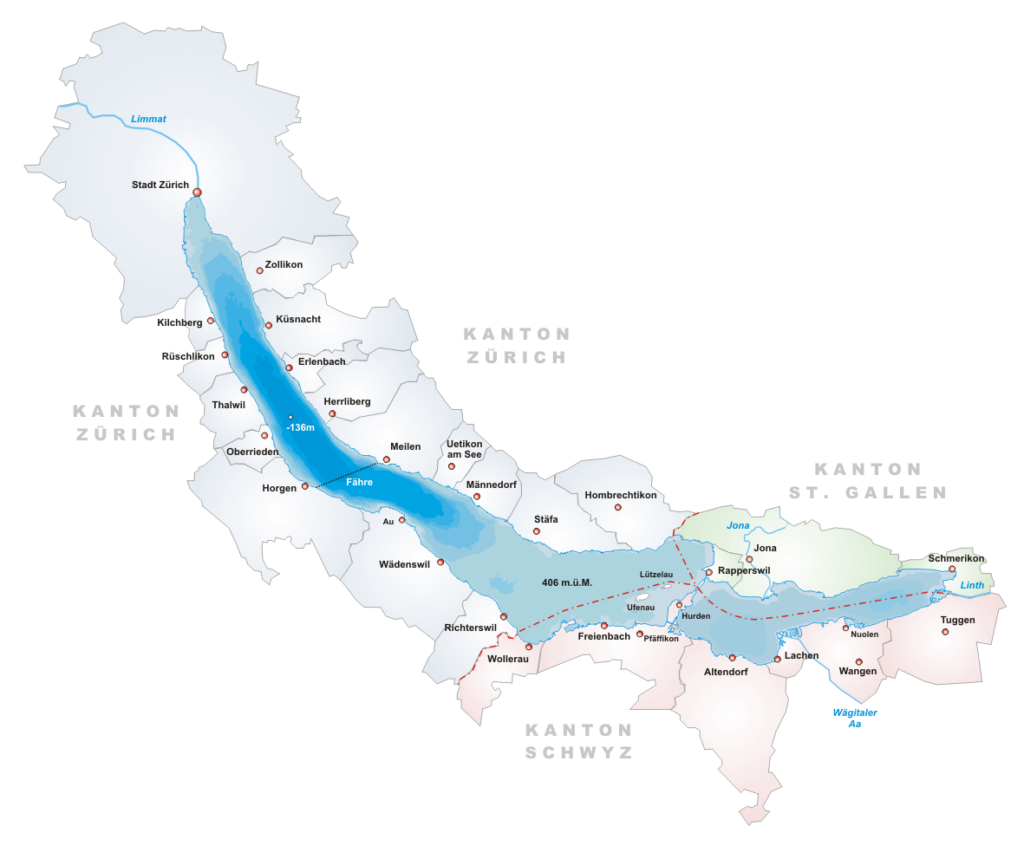
Welcome to 2026 at Le Roux Vins – As we step into a new year, we want to extend our warmest wishes to you. 2025 was a year of foundation and shared passion, and your trust has been our greatest reward. While we are thrilled to announce new services like our exclusive Zurichsee Wine Delivery and an expanded cellar, our heart remains with the wine itself.
To celebrate this new chapter, we have curated a selection of rare, historic, and monumental wines. These are not just bottles; they are time capsules and masterpieces of viticulture. Here is a deep dive into the new arrivals that define the beginning of 2026.
Out of stock
CHF 235.00
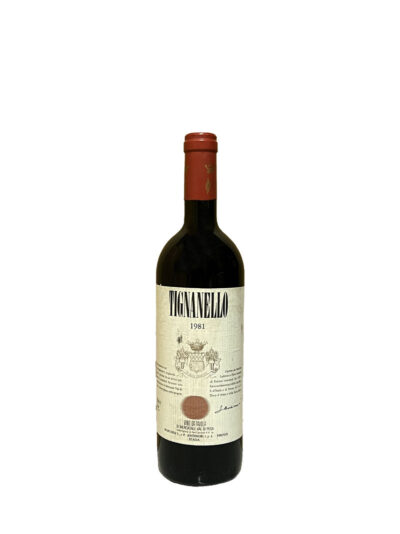
Tignanello 1981, Marchese Antinori
Region: Tuscany, Italy Grape Variety: Sangiovese, Cabernet Sauvignon, Cabernet Franc
The History Tignanello is the wine that changed the Italian viticultural landscape forever. Produced by the Antinori family, who have been making wine for over six centuries, it was the first Sangiovese to be aged in barriques and the first contemporary red wine in the Chianti Classico region to blend non-traditional varieties like Cabernet. The 1981 vintage represents a specific era of this “Super Tuscan” revolution, a time when the rules were being rewritten to prioritize absolute quality over appellation constraints.
In the Glass At over 40 years old, this wine offers a masterclass in the aging potential of Sangiovese. The primary fruit has evolved into tertiary aromas of cured leather, dried tobacco leaf, forest floor, and dried figs. The tannins, once firm, have resolved into a silky, delicate structure. Oenologically, this vintage showcases the resilience of the terroir; despite the age, the acidity characteristic of Sangiovese keeps the wine alive and vibrant, offering a meditative tasting experience.
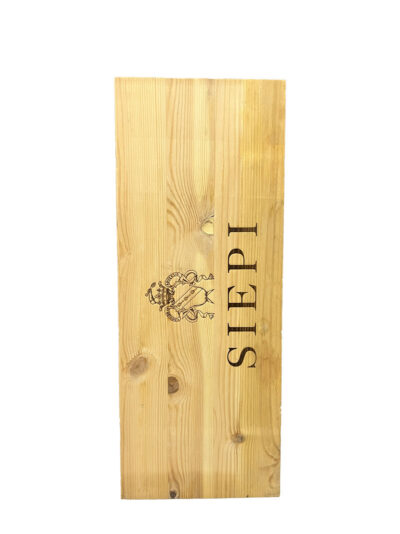
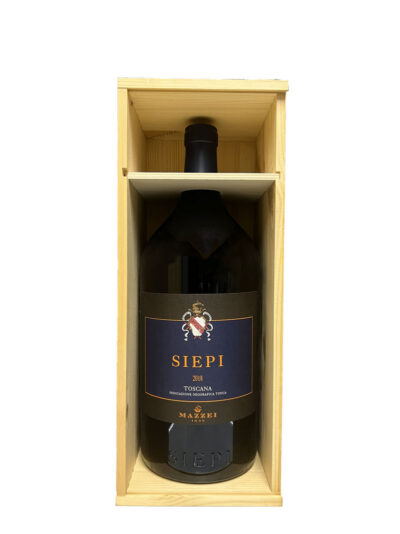
Siepi 2018, Castello di Fonterutoli (Mazzei) – 3L Double Magnum
Region: Tuscany, Italy Grape Variety: 50% Merlot, 50% Sangiovese
The History The Mazzei family is inextricably linked to the history of wine; Ser Lapo Mazzei is actually the author of the first known document mentioned the “Chianti” denomination in 1398. The Siepi vineyard has been owned by the family since 1435. This wine is their “Cru,” a visionary blend introduced in 1992 that marries the structure and earthiness of Sangiovese with the plush softness of Merlot.
In the Glass The 2018 vintage in Tuscany was characterized by elegance rather than sheer power, making this monumental 3-liter format perfect for long-term aging. The larger volume allows the wine to age more slowly and gracefully, preserving freshness. You can expect notes of dark chocolate, elderberry, and cedar. The integration of the Merlot provides a velvet-like texture, while the Sangiovese offers a savory backbone. It is a wine of immense concentration but surprising agility.
CHF 235.00
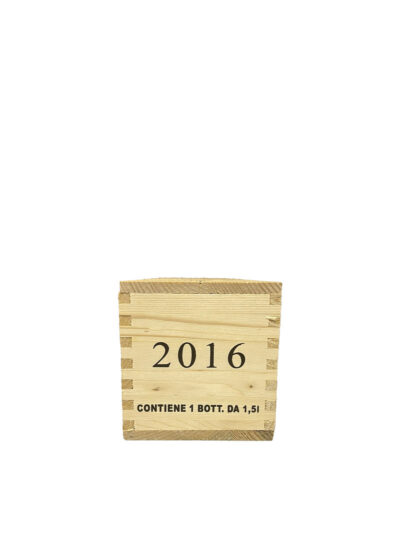
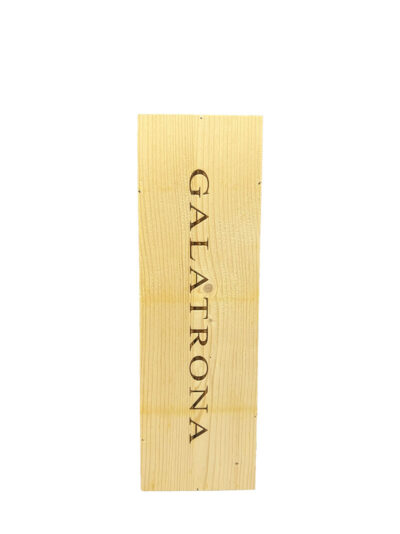
Galatrona 2016, Petrolo – Magnum
Region: Val d’Arno di Sopra, Italy Grape Variety: 100% Merlot
The History Often called the “Petrus of Tuscany,” Galatrona is one of Italy’s most celebrated pure Merlots. The Petrolo estate, located in the Val d’Arno di Sopra (a historic denomination established by the Grand Duke of Tuscany in 1716), focuses on low yields and meticulous organic farming. 2016 is widely considered a legendary vintage across Tuscany, offering perfect climatic conditions that allowed for optimal phenolic ripeness.
In the Glass This Magnum presents a wine of profound depth. The clay-rich soil of the Galatrona vineyard imparts a structure and minerality that prevents the Merlot from becoming too heavy. The 2016 is defined by intense aromas of blackberries, violet, spices, and a hint of balsamic. Oenologically, the fermentation in cement vats followed by aging in French oak barriques strikes a balance between fruit purity and oxidative complexity. It is polished, persistent, and undeniably grand.
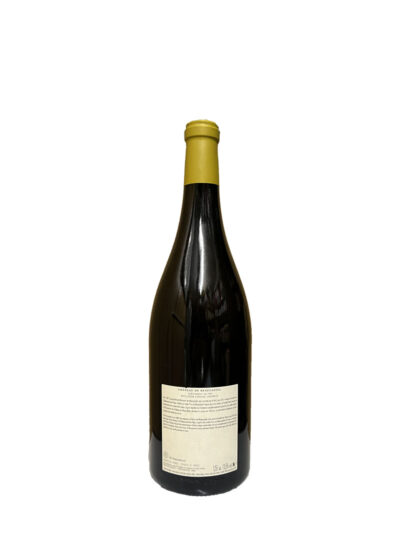
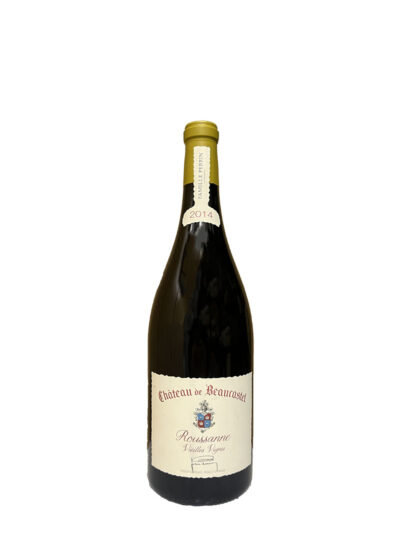
Châteauneuf-du-Pape Blanc Roussanne Vieilles Vignes 2014, Château de Beaucastel – Magnum
Region: Southern Rhône, France Grape Variety: 100% Roussanne
The History While Beaucastel is famous for its red blends, this white wine is perhaps their most exclusive treasure. Produced from a small parcel of Roussanne vines that are over 100 years old, the yield is incredibly low. This is a wine that defies the standard logic of white wines, built for decades of aging rather than immediate consumption.
In the Glass The 2014 vintage in the Rhône was challenging for reds but exceptional for whites, retaining high acidity. In this rare Magnum format, the wine expresses a richness reminiscent of great Burgundy. Expect a waxy texture with notes of honey, apricot, roasted almonds, and quince. The “Vieilles Vignes” (old vines) provide a sapidity and concentration that coats the palate, finishing with a saline mineral drive.
La Pialade Côtes du Rhône 2007, Château Rayas
Region: Rhône Valley, France Grape Variety: Grenache, Cinsault, Syrah
The History Château Rayas is a myth in the wine world, and La Pialade is the insider’s secret entry into the universe of Emmanuel Reynaud. While labeled simply as Côtes du Rhône, the fruit comes from the legendary estates of Rayas and Fonsalette. The winemaking here is traditional and idiosyncratic, with whole-cluster fermentation and aging in old, large oak foudres, untouched by modern technology.
In the Glass 2007 was a solar, powerful vintage in the Southern Rhône, yet Reynaud’s signature is airiness and elegance. This wine is known for its pale, almost translucent color which belies its aromatic intensity. It offers an explosion of crushed strawberries, white pepper, kirsch, and potpourri. It is the antithesis of the heavy, extracted style; it is ethereal, spicy, and hauntingly complex.
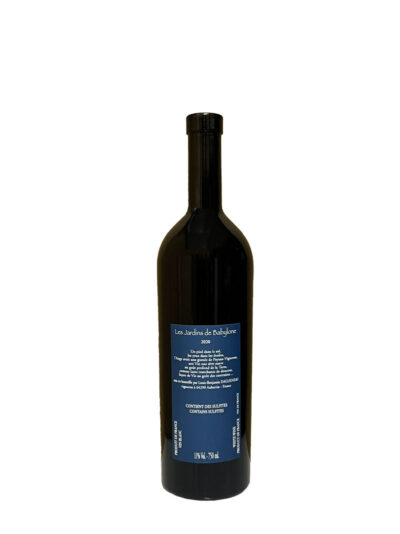
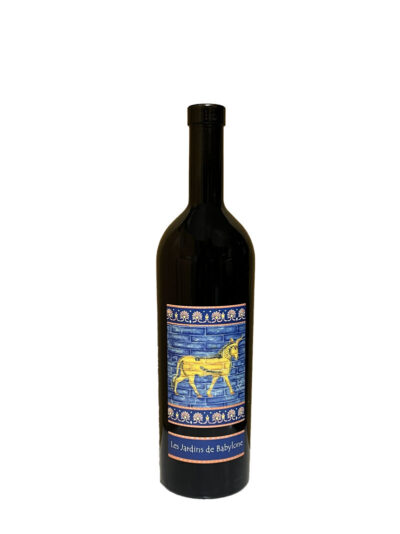
Jurançon Les Jardins de Babylone 2020, Dagueneau
Region: South West, France Grape Variety: 100% Petit Manseng
The History Didier Dagueneau was the rebel genius of the Loire Valley. Before his passing, he ventured into the Jurançon region at the foot of the Pyrenees, a project now continued with brilliance by his son Louis-Benjamin. “Les Jardins de Babylone” is an attempt to create the ultimate sweet wine—one that possesses the sugar of a dessert wine but the crystalline tension of a dry Riesling.
In the Glass The 2020 vintage delivers a wine of laser-like precision. Petit Manseng is unique for its ability to retain extreme acidity even as sugar levels soar. The result is a palate of exotic fruits—mango, pineapple, passion fruit—balanced by a vibrating electric acidity. It is not cloying; it is refreshing, complex, and incredibly persistent. A masterpiece of balance.
